
- 27 Feb, 2026
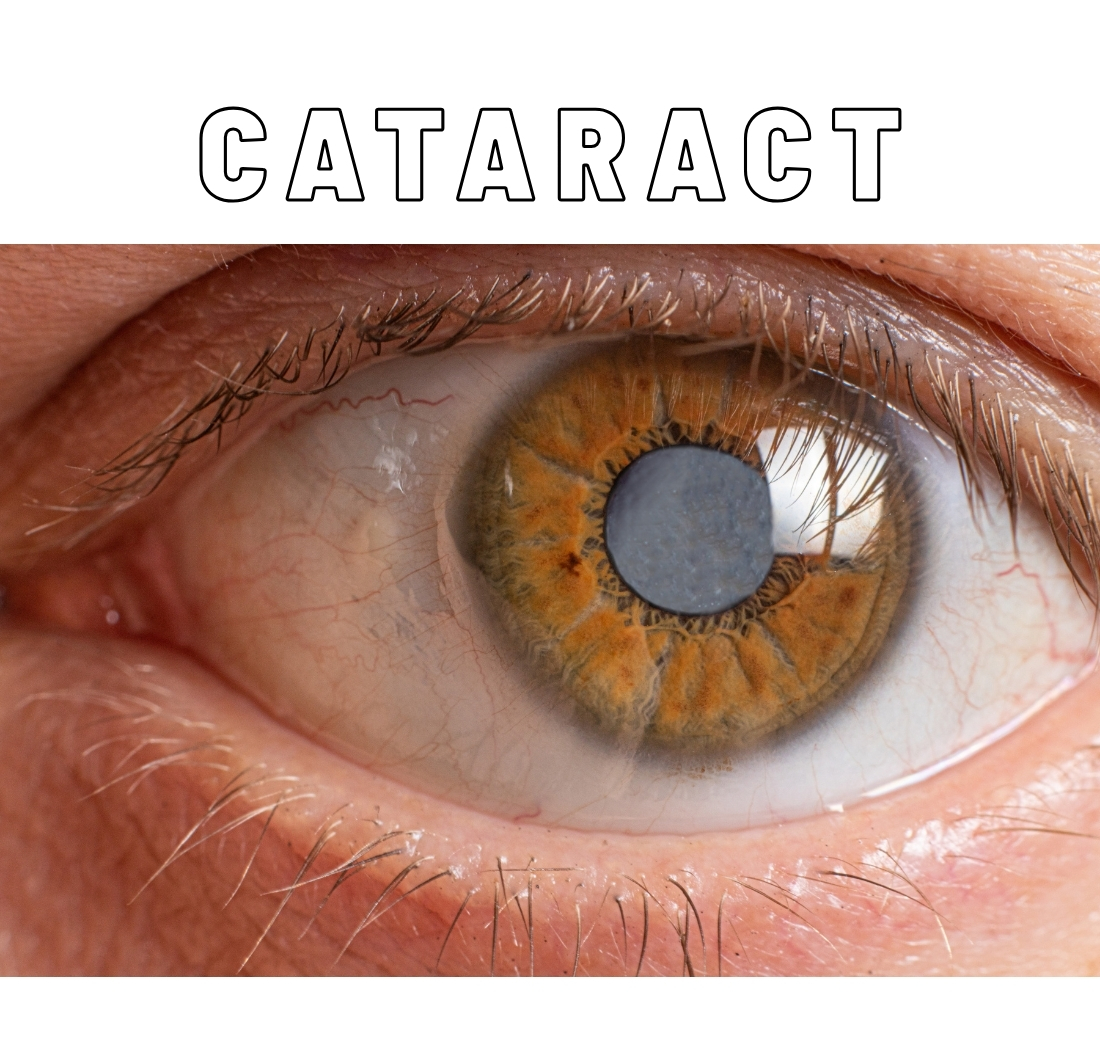
A cataract is the clouding (opacity) of the eye’s natural lens, which is normally clear and transparent. The lens is located behind the pupil and iris and helps focus light onto the retina to produce clear vision.
When a cataract develops, the lens becomes cloudy, preventing light from passing through properly. This leads to blurred vision and can interfere with daily activities. If left untreated, it may eventually cause blindness.
Cataract is the leading cause of blindness worldwide. It is painless and usually develops slowly over time.
Although most cataracts occur in older adults, they can also occur in younger individuals and even in newborn babies. According to the World Health Organization, cataracts account for about 51% of global blindness, affecting roughly 20 million people.
Cataracts usually develop in both eyes, but not equally. The good news is that surgery is safe and effective and can restore vision.
The exact cause of cataracts is often unknown, but aging is the most common factor. Other risk factors include:
Long-term UV exposure
Prolonged steroid use
Eye injury or trauma
Diabetes
Hypertension
Obesity
Smoking and alcohol use
Radiation exposure (X-rays, cancer therapy)
Infections during pregnancy (e.g., German measles)
Family history
High myopia
Previous eye surgery
In early stages, vision changes may be mild and improved with stronger lighting or updated glasses.
As cataracts progress, symptoms may include:
Blurred, cloudy, or foggy vision
Frequent changes in glasses prescription
Difficulty driving at night due to glare
Poor night vision
Faded or dull colors
Double vision in one eye
Difficulty recognizing faces
Visible whitish or yellowish pupil
Healthy lifestyle habits—such as wearing UV protection, controlling diabetes, and quitting smoking—can help reduce risk.
These account for about 95% of cases and usually occur after age 40.
Types include:
Nuclear Cataract – Forms in the center of the lens and may cause temporary nearsightedness before turning yellow or brown.
Cortical Cataract – Begins at the outer edge of the lens and appears as wedge-shaped streaks.
Posterior Subcapsular Cataract – Develops at the back of the lens and progresses faster.
Congenital Cataract: Present at birth or early childhood
Secondary Cataract: Caused by diseases like diabetes or long-term steroid use
Traumatic Cataract: Result of eye injury
Radiation Cataract: Caused by radiation therapy
Diagnosis is done through a comprehensive eye examination, including:
Medical history review
Visual acuity testing
Refraction (glasses power test)
Slit-lamp examination after pupil dilation
Eye pressure measurement
Additional tests may be done if needed.
The only permanent treatment is cataract surgery.
In early stages, vision can be managed with glasses or contact lenses. Surgery is recommended when cataracts begin affecting daily activities.
During surgery, the cloudy lens is removed and replaced with an artificial intraocular lens (IOL), which restores clear vision.
Foods That Help Strengthen Your EyesightMany people know that a balanced diet supports digestion and...
Glasses or Contact Lenses — Which Should You Choose?After visiting an eye clinic, you may...
Eye Twitching – Causes, Symptoms, and TreatmentMany cultures have different beliefs about eye twitching. Some...



Comments (0)