
- 28 Feb, 2026
Many cultures have different beliefs about eye twitching. Some say left-eye twitching means bad luck and right-eye twitching means good luck. However, this is just superstition. In reality, eye twitching is simply an involuntary muscle spasm.
It’s not the eyeball that twitches — it’s the eyelid muscles.
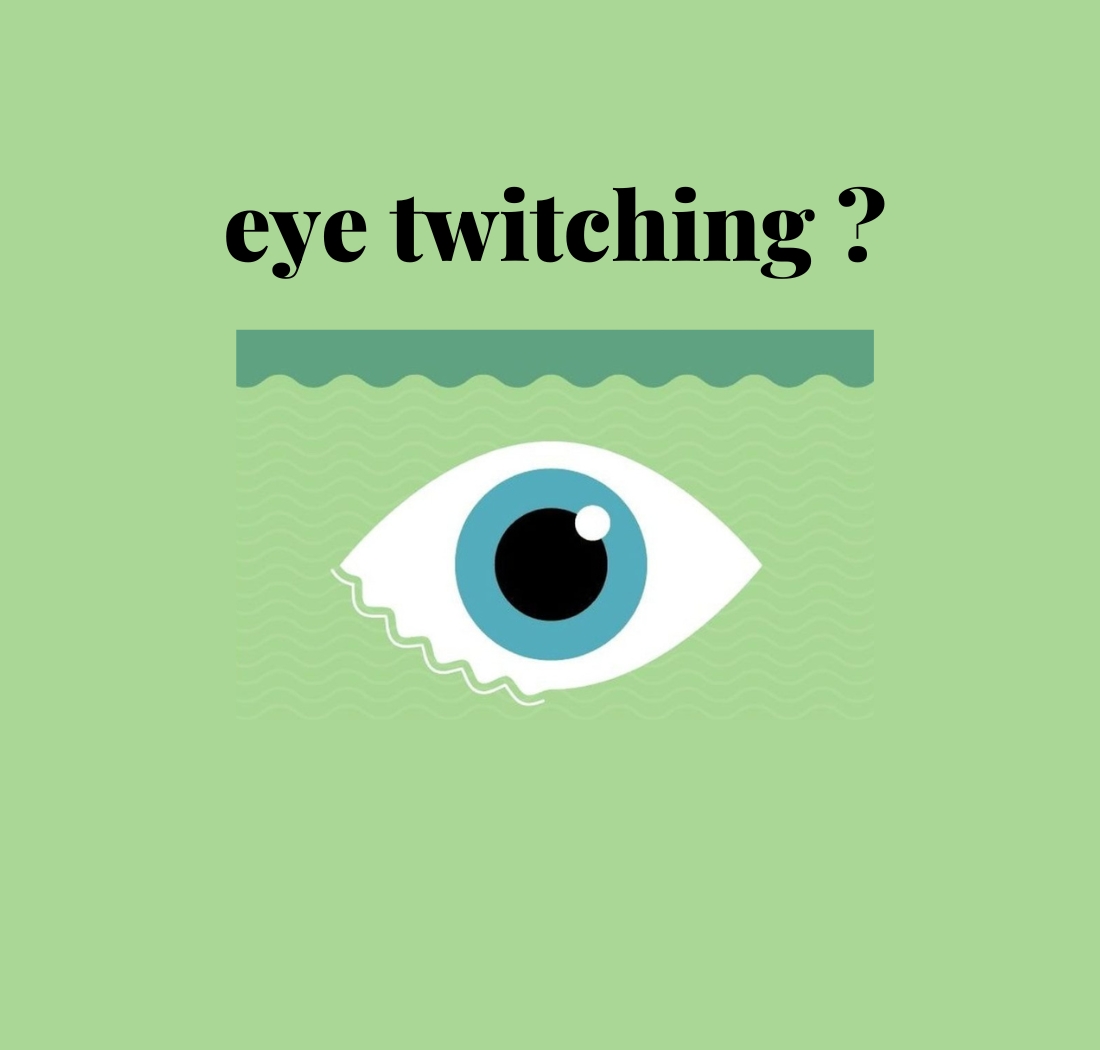
Eye twitching (eyelid twitching) is an involuntary, repetitive spasm of the eyelid muscles. It usually affects the upper eyelid but can also occur in the lower eyelid. It may involve one or both eyes.
Most eye twitches are:
Painless
Harmless
Temporary
Self-resolving
However, in some cases, twitching can last weeks or months and become bothersome.
The medical terms include:
Myokymia – mild, temporary twitching
Blepharospasm – more severe, persistent twitching
The exact cause is often unknown, but common triggers include:
Stress – one of the most common causes
Lack of sleep (fatigue)
Eye strain from prolonged screen use
Excess caffeine
Alcohol consumption
Dry eyes
Allergies
Light sensitivity
Blepharitis or conjunctivitis
Poor nutrition (especially magnesium deficiency)
Certain medications
Excessive digital device use
Rarely, persistent twitching may be linked to neurological conditions.
Symptoms may vary but commonly include:
Eyelid spasms
Eye irritation
Dryness
Increased blinking
Light sensitivity
Mild facial spasms
Twitching often worsens with stress, fatigue, or caffeine intake.
Consult an eye doctor if:
Twitching lasts more than a few weeks
Eyelid swelling occurs
Vision becomes blurry
There is redness or discharge
Twitching spreads to other facial areas
Eyelid closes completely during spasms
Most cases resolve on their own without treatment.
Get adequate sleep
Reduce caffeine and alcohol
Manage stress
Limit screen time
Keep eyes lubricated
Apply warm compresses
Maintain proper eye hygiene
Medications
Botox injections to relax muscles
Rarely, surgery (myectomy) for severe cases
To prevent frequent twitching:
Maintain good sleep habits
Reduce screen strain
Stay hydrated
Eat a balanced diet
Manage stress
Keep eyes moisturized
Eye twitching is usually harmless and temporary. Lifestyle adjustments often resolve it. However, persistent or severe twitching should be evaluated by an eye specialist.
Foods That Help Strengthen Your EyesightMany people know that a balanced diet supports digestion and...
Glasses or Contact Lenses — Which Should You Choose?After visiting an eye clinic, you may...
How to Take Care of Your Eyes – Eye Care Tips“The eye is the jewel...




Comments (0)