
- 28 Feb, 2026
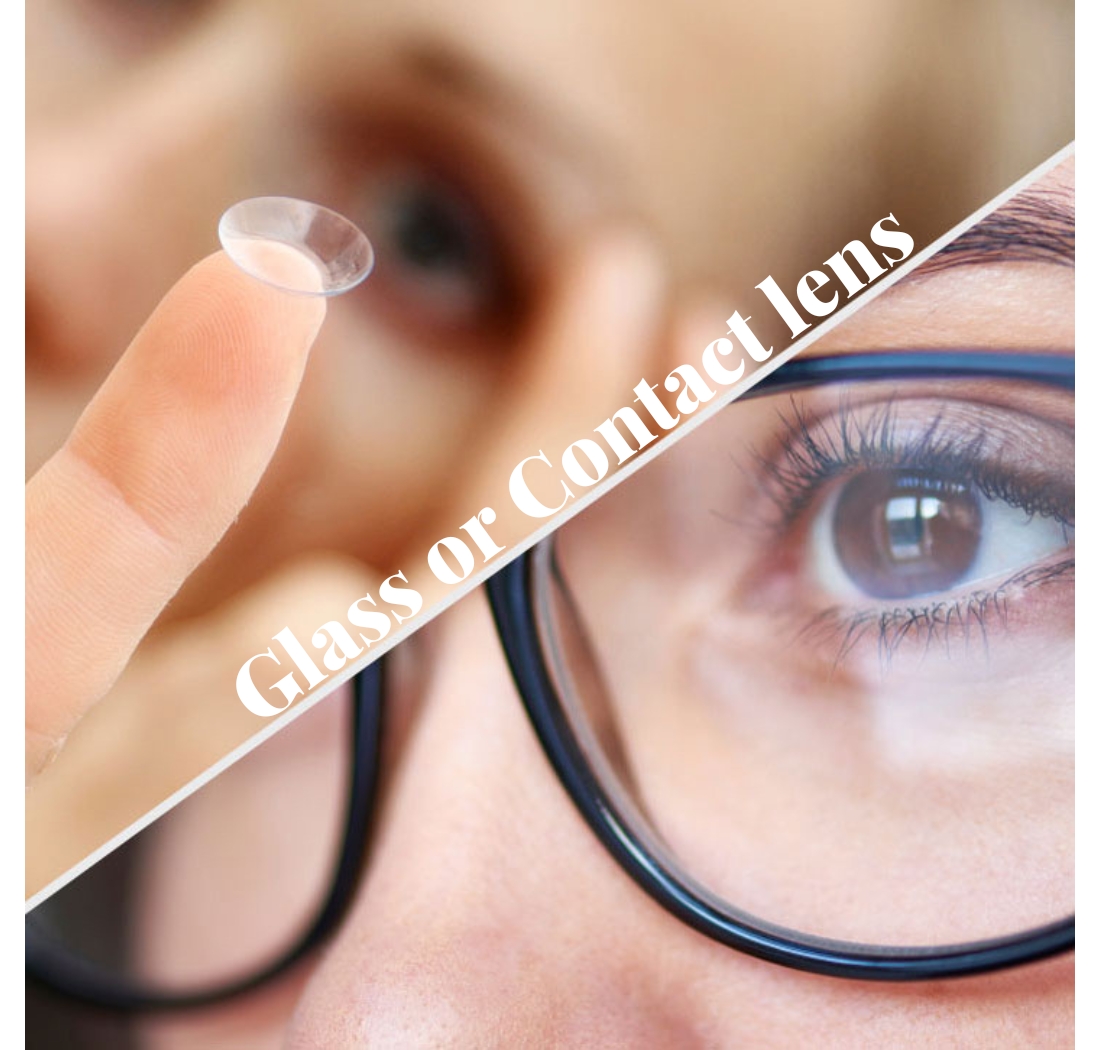
After visiting an eye clinic, you may receive a prescription if your vision is not 6/6 (20/20). If your eyes are healthy, you can correct your vision using glasses or contact lenses. Both help you see clearly, but many people feel confused about which option to choose.
The truth is — neither is superior. The best choice depends on your lifestyle, comfort, budget, and daily activities. Each has its own advantages and disadvantages.
Let’s understand them simply.
Glasses are the most common vision-correction tool. They consist of lenses mounted in a frame worn in front of the eyes.
Single-vision: For distance or near vision
Multifocal: For both distance and reading
Lower risk of eye infections (no need to touch eyes)
Protect eyes from dust, wind, and debris
Better option for dry eyes or allergies
Cost-effective for long-term use
Can include UV protection and light-adjusting lenses
May reduce side (peripheral) vision
Can feel heavy or uncomfortable
May fog in cold weather
Not ideal for sports activities
High-power lenses may look thick
Contact lenses are thin lenses placed directly on the eye surface to correct vision.
Provide wider, more natural vision
No fogging from weather
Ideal for sports and active lifestyles
Better cosmetic appearance
Useful in certain eye conditions like keratoconus
Require strict hygiene and care
Higher risk of infection if misused
May cause dryness or discomfort
Most cannot be worn overnight
Need regular replacement
No. Contact lens prescriptions include additional measurements such as lens size and curvature, so they must be fitted by an eye care professional.
Both glasses and contact lenses are excellent vision-correction options. Your choice depends on your daily needs:
Choose glasses: If you want low maintenance and eye protection
Choose contacts: If you are active or prefer a natural look
👉 Many people benefit from using both — glasses for regular use and contact lenses for special occasions or sports.
Foods That Help Strengthen Your EyesightMany people know that a balanced diet supports digestion and...
Eye Twitching – Causes, Symptoms, and TreatmentMany cultures have different beliefs about eye twitching. Some...
How to Take Care of Your Eyes – Eye Care Tips“The eye is the jewel...




Comments (0)