
- 28 Feb, 2026
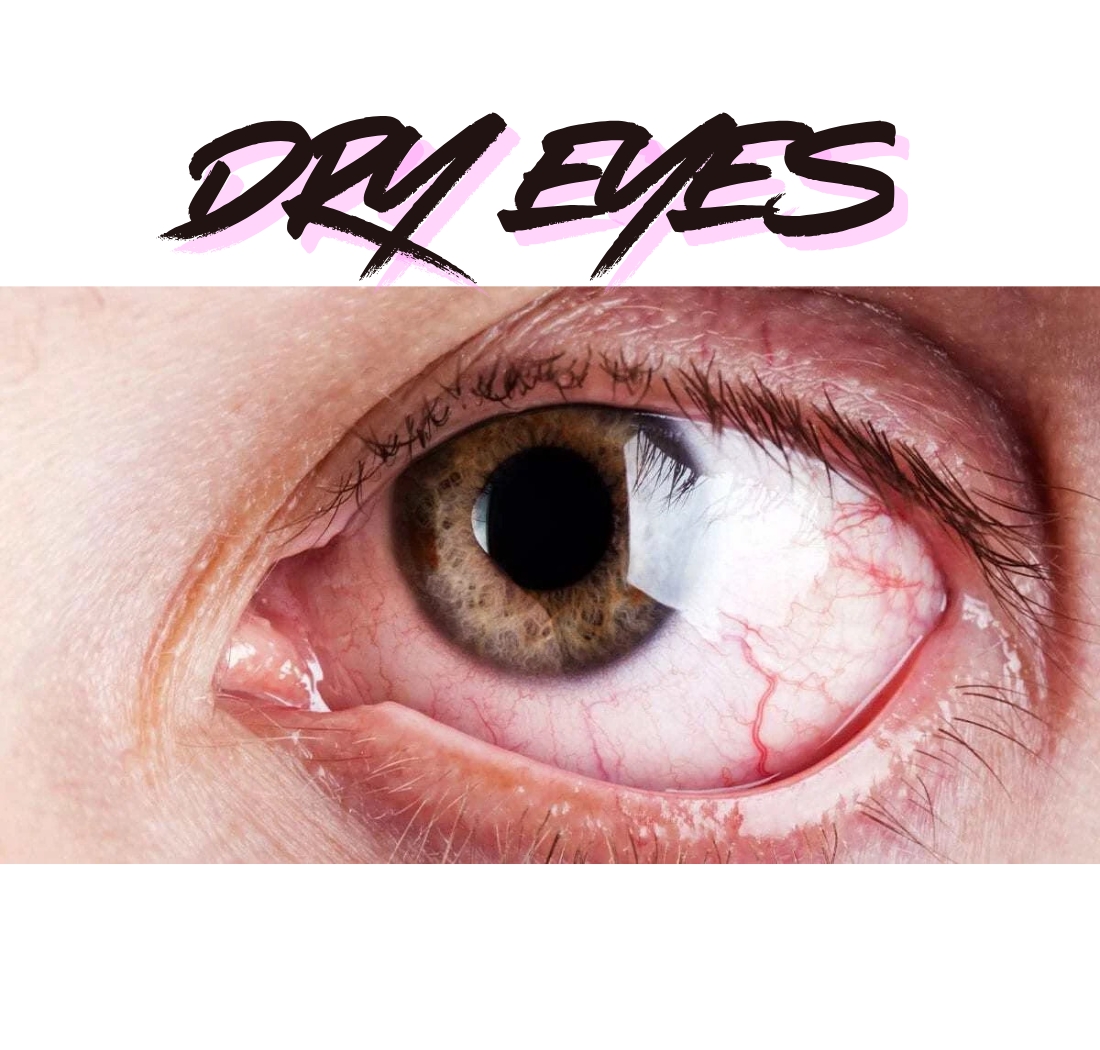
Dry eye is a condition in which your eyes do not have enough quality tears to lubricate and nourish the eye surface. Tears are essential for maintaining eye health and providing clear vision.
Dry eyes occur when:
Tears evaporate too quickly, or
The eyes produce too few tears, or
There is an imbalance in the tear film layers.
The tear film has three layers: mucin, aqueous (watery), and lipid (oil). A problem in any of these layers can lead to dry eye.
Anyone can develop dry eyes, but it is more common in older adults and women. It can affect one or both eyes.
Dry eyes usually occur due to imbalance in tear production, drainage, or tear composition.
Aging: Tear production naturally decreases with age.
Hormonal changes: Pregnancy, menopause, and contraceptive use increase risk.
Medications: Antihistamines, antidepressants, blood pressure drugs, and some eye drops can reduce tear production.
Environmental factors: Smoke, wind, dust, and dry air increase tear evaporation.
Medical conditions:
Diabetes
Rheumatoid arthritis
Sjögren’s syndrome
Thyroid disease
Vitamin A deficiency
Eyelid problems: Incomplete blinking prevents proper tear distribution.
Prolonged screen use
Previous eye surgery (like LASIK)
Long-term contact lens use
Omega-3 deficiency
Common symptoms include:
Burning or stinging sensation
Itchy eyes
Feeling of a foreign body in the eye
Redness
Blurred vision
Excess watering
Light sensitivity
Difficulty wearing contact lenses
Eyelids sticking together in the morning
Symptoms often worsen after reading, screen use, or driving, and usually become worse later in the day.
If untreated, dry eye can lead to infections and vision problems.
Eye care professionals diagnose dry eye through a comprehensive eye examination, including:
Medical and symptom history
Eyelid and corneal examination
Tear evaluation using special dyes
Additional tear tests if needed
Treatment depends on the underlying cause but mainly focuses on keeping the eyes lubricated.
Artificial tear eye drops
Lubricating ointments (especially at bedtime)
Eyelid hygiene and cleaning
Treating underlying inflammation
Blink frequently, especially during screen use
Take regular breaks from digital devices
Avoid smoke, dust, and dry air
Use protective glasses outdoors
Stay well hydrated
Maintain proper contact lens hygiene
Cold compress helps with itching, while warm compress helps with oil gland blockage.
Wash eyes gently with clean water
Drink plenty of fluids
Get adequate sleep
Limit screen time
Wear protective eyewear when needed
This may happen because:
Eyelids do not fully close during sleep
Exposure to fan or air conditioner overnight
Certain nighttime medications
Dry eye is a very common condition but is usually manageable with proper care, lifestyle changes, and timely treatment. If symptoms persist, consult an eye care professional early.
Foods That Help Strengthen Your EyesightMany people know that a balanced diet supports digestion and...
Glasses or Contact Lenses — Which Should You Choose?After visiting an eye clinic, you may...
Eye Twitching – Causes, Symptoms, and TreatmentMany cultures have different beliefs about eye twitching. Some...



Comments (0)