
- 28 Feb, 2026
Eyelid bumps are very common, and many people get confused between a chalazion and a stye. Although they may look similar at first, they have different causes, symptoms, and treatments. Understanding the difference helps you know when simple home care is enough and when to visit an eye clinic.
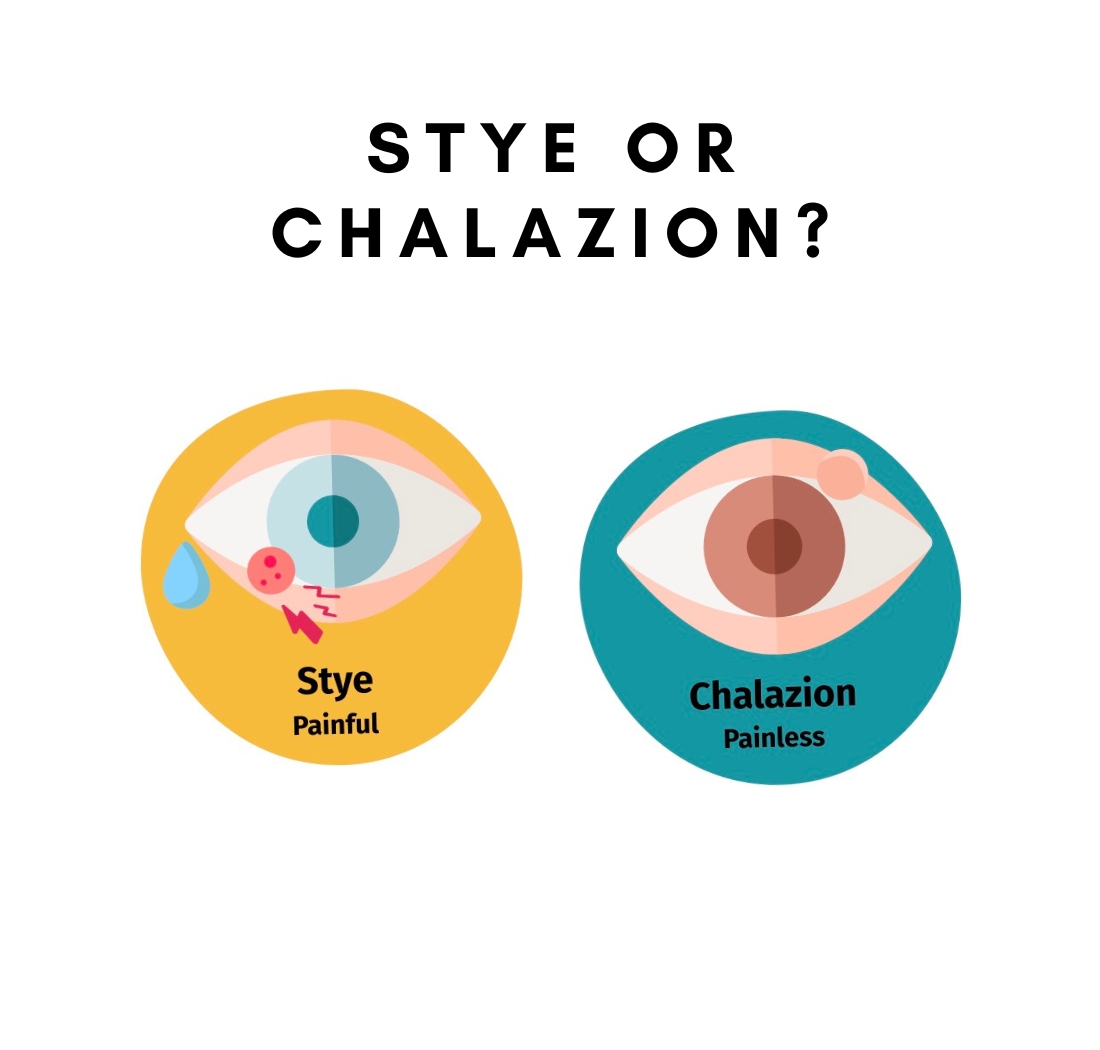
A chalazion is a painless lump on the eyelid caused by a blocked oil (meibomian) gland. These glands normally produce an oily layer that prevents tears from evaporating too quickly.
When the gland becomes blocked, the oil builds up inside the eyelid, causing a slow-growing swelling.
Usually painless
Develops slowly over days to weeks
Appears as a firm lump away from the eyelid edge
May cause blurred vision if large
Not caused by bacteria (non-infectious)
A stye (also called a hordeolum) is a painful, infected swelling of an eyelash follicle or oil gland. It is usually caused by bacteria.
Painful and tender
Develops quickly
Often appears near the eyelid margin
May have a yellow pus point
Caused by bacterial infection
| Feature | Chalazion | Stye |
|---|---|---|
| Cause | Blocked oil gland | Bacterial infection |
| Pain | Usually painless | Painful |
| Growth | Slow | Rapid |
| Location | Away from lid edge | Near eyelash root |
| Infection | Non-infectious | Infectious |
| Duration | Weeks to months | Usually 1–2 weeks |
Poor eyelid hygiene
Frequent eye rubbing
Blepharitis (eyelid inflammation)
Using expired eye cosmetics
Oily skin conditions
Diabetes
Previous chalazion
Acne rosacea
Warm compress 10–15 minutes, 3–4 times daily
Gentle eyelid massage
Proper lid hygiene
Medical treatment or minor surgery if persistent
Warm compress is the main treatment
Avoid squeezing
Antibiotic drops/ointment if prescribed
Usually heals on its own
Visit a clinic if:
The lump lasts more than 3–4 weeks
Vision becomes blurry
Pain and swelling worsen
Chalazion keeps coming back
Keep eyelids clean
Remove makeup before sleeping
Wash hands before touching eyes
Manage dandruff and skin conditions
Avoid sharing eye cosmetics
A chalazion is typically painless and caused by a blocked oil gland, while a stye is painful and caused by infection. Although both look similar, proper care and hygiene usually help them heal quickly.
Foods That Help Strengthen Your EyesightMany people know that a balanced diet supports digestion and...
Glasses or Contact Lenses — Which Should You Choose?After visiting an eye clinic, you may...
Eye Twitching – Causes, Symptoms, and TreatmentMany cultures have different beliefs about eye twitching. Some...



Comments (0)